
Dog Seizures: Signs Costs, and When to Get Help
Dogs can have seizures for many different reasons, from epilepsy to serious underlying health problems. Learn the warning signs, treatment options, and how much care can cost.


Why Dogs Have Seizures
Dogs may have seizures because of a problem affecting the brain, nervous system, or overall health.
Some dogs have seizures because of epilepsy, while others may have an underlying issue such as poisoning, low blood sugar, liver disease, or a brain condition.
Because seizures can sometimes be a sign of a more serious condition, early treatment and the right insurance coverage are important.
Common Symptoms to Watch For
Dog seizures often happen suddenly. Owners should watch for signs such as:
- Shaking or convulsions.
- Stiffening of the body.
- Falling over.
- Drooling.
- Paddling the legs.
- Loss of consciousness.
- Confusion after the seizure.
- Pacing or unusual behavior.

🐾 If your dog is showing any of these symptoms, it is important to contact your veterinarian as soon as possible.
Types of Problems That Can Cause Seizures
Epilepsy
Epilepsy is one of the most common causes of seizures in dogs and often begins in younger dogs.
Poisoning
Chocolate, xylitol, medications, toxic plants, or other poisons can cause seizures.
Low Blood Sugar
Low blood sugar, especially in puppies or diabetic dogs, can trigger a seizure.
Liver Disease
Liver problems can affect the brain and lead to seizures.
Brain Tumor or Injury
A brain tumor or head injury may cause seizures, especially in older dogs.
Heat Stroke or Serious Illness
High fever, heat stroke, or severe illness can sometimes cause a dog to have a seizure.
When to See a Vet
You should contact a vet immediately if your dog:
- ● Has a seizure lasting more than 2 minutes.
● Has more than one seizure in 24 hours. - ● Has trouble breathing after the seizure.
- ● Does not wake up normally.
- ● Is injured during the seizure.
- ● Has never had a seizure before.
Early treatment can prevent more serious complications and reduce the likelihood of expensive emergency care.
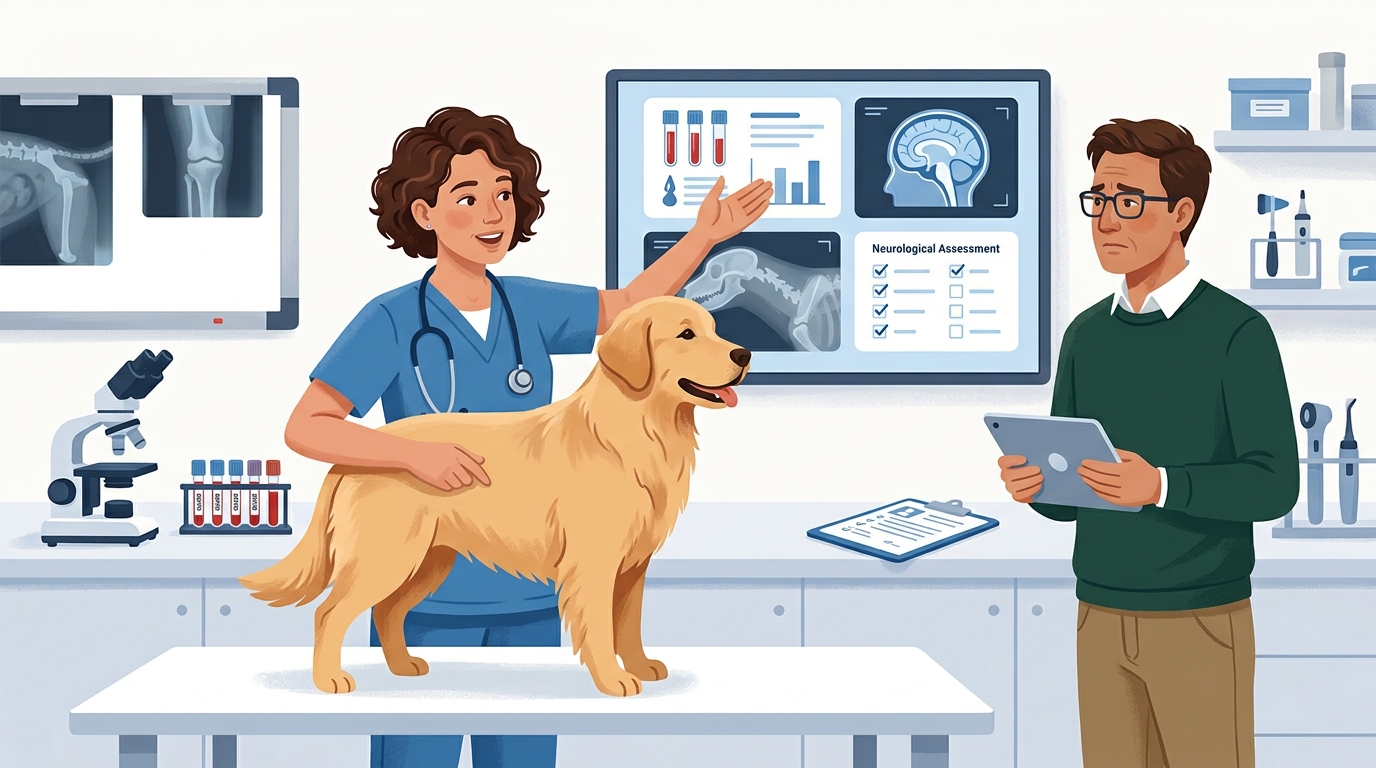
How Dog Seizures Are Diagnosed
Your vet may use several tests to identify the cause of the seizures, including:
- Physical examination.
- Blood tests.
- Neurological examination.
- X-rays.
- MRI or CT scan.
- Testing for toxins or underlying disease.

🐾 These tests help determine whether your dog needs medication, monitoring, or more advanced treatment.
Treatment Options for Dog Seizures
Treatment for dog seizures depends on how severe the condition is. Mild or occasional seizures may only require monitoring and medication.
More serious problems may require emergency care, hospitalization, long-term anti-seizure medication, or treatment for an underlying disease. If the seizures are caused by poisoning, a brain tumor, or another illness, additional treatment may be necessary.

Does Pet Insurance Cover Seizures and Neurological Problems?
Many pet insurance plans cover seizures and neurological problems in dogs if the condition is not pre existing.
Coverage often includes:
● Diagnostic testing.
● Medication.
● MRI or CT scan.
● Emergency care.
● Specialist visits.
Frequently Asked Questions
The real questions every pet parent asks — straight answers, no runaround.
Dogs can suddenly have a seizure because of epilepsy, poisoning, low blood sugar, or another serious health problem.
Sometimes. A short seizure may not be life-threatening, but long or repeated seizures can be very serious.
Most treatment costs range from $200 to more than $5,000 depending on the cause.
Many plans do, as long as the condition was not pre-existing.
The best time is while your dog is still young and healthy.
Protect Your Dog Before Seizures Become More Expensive
Seizures and neurological problems can quickly become expensive. The right pet insurance plan can help you avoid large vet bills and get your dog the care it needs.