
Dog Ear Infection: Signs, Costs, and When to Get Help
Dog ear infections are common and can become painful or serious if left untreated. Learn the warning signs, treatment options, and how much care can cost.
Why Dogs Get Ear Infections
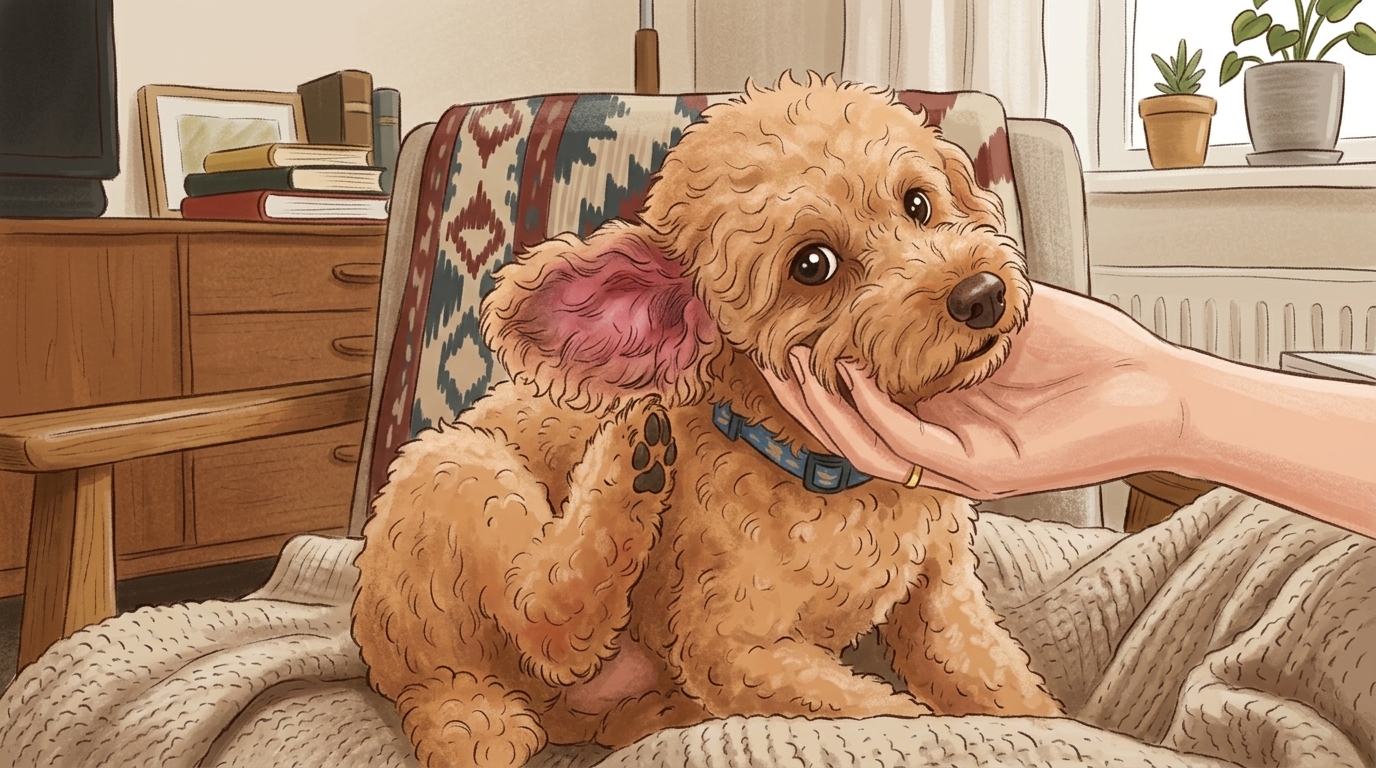
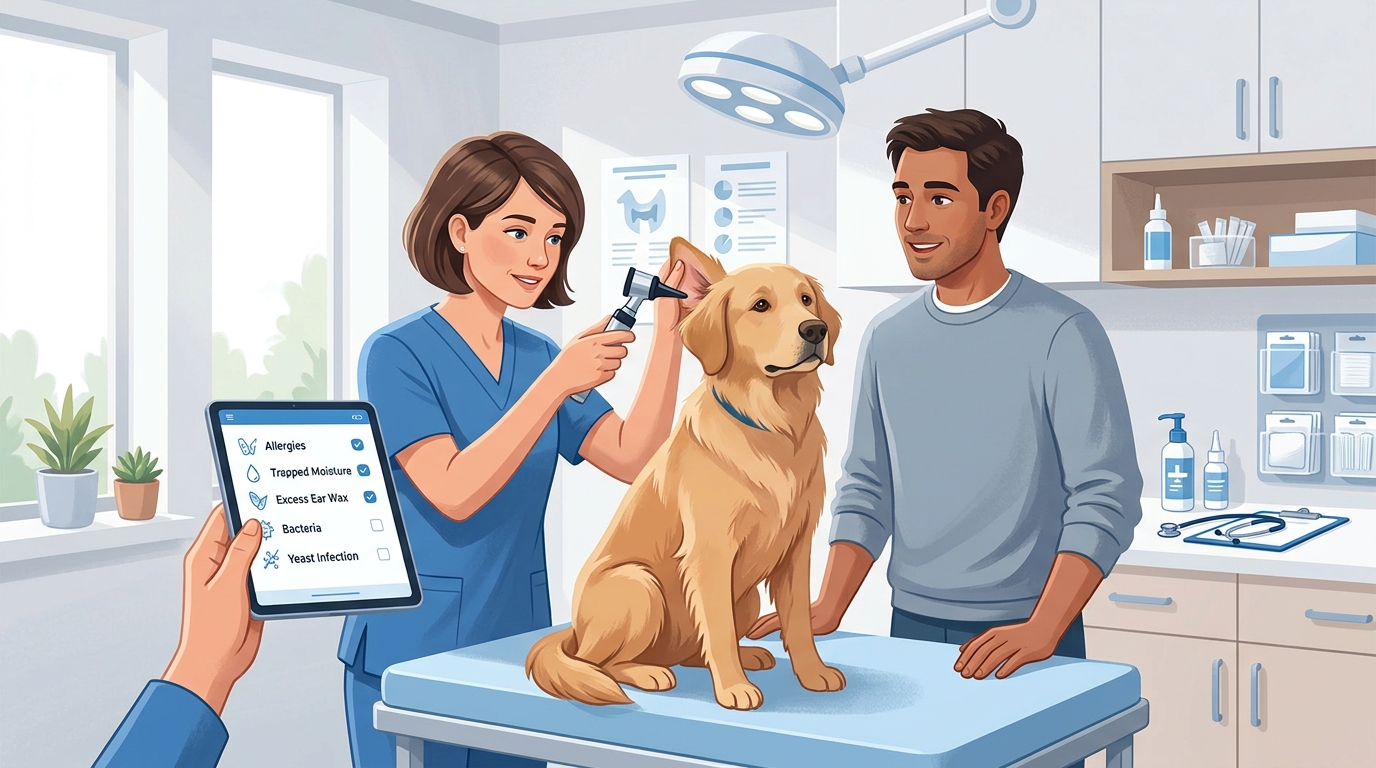
Dogs can develop ear infections for many different reasons, including allergies, trapped moisture, excess ear wax, or bacteria and yeast.
Because ear infections are common and can worsen quickly, early treatment and the right insurance coverage are important.
Common Symptoms to Watch For
Dog ear infections often start gradually. Owners should watch for signs such as:
● Scratching at the ears
● Head shaking
● Redness inside the ear
● Bad smell coming from the ear
● Brown, yellow, or black discharge
● Swelling
● Pain when the ear is touched
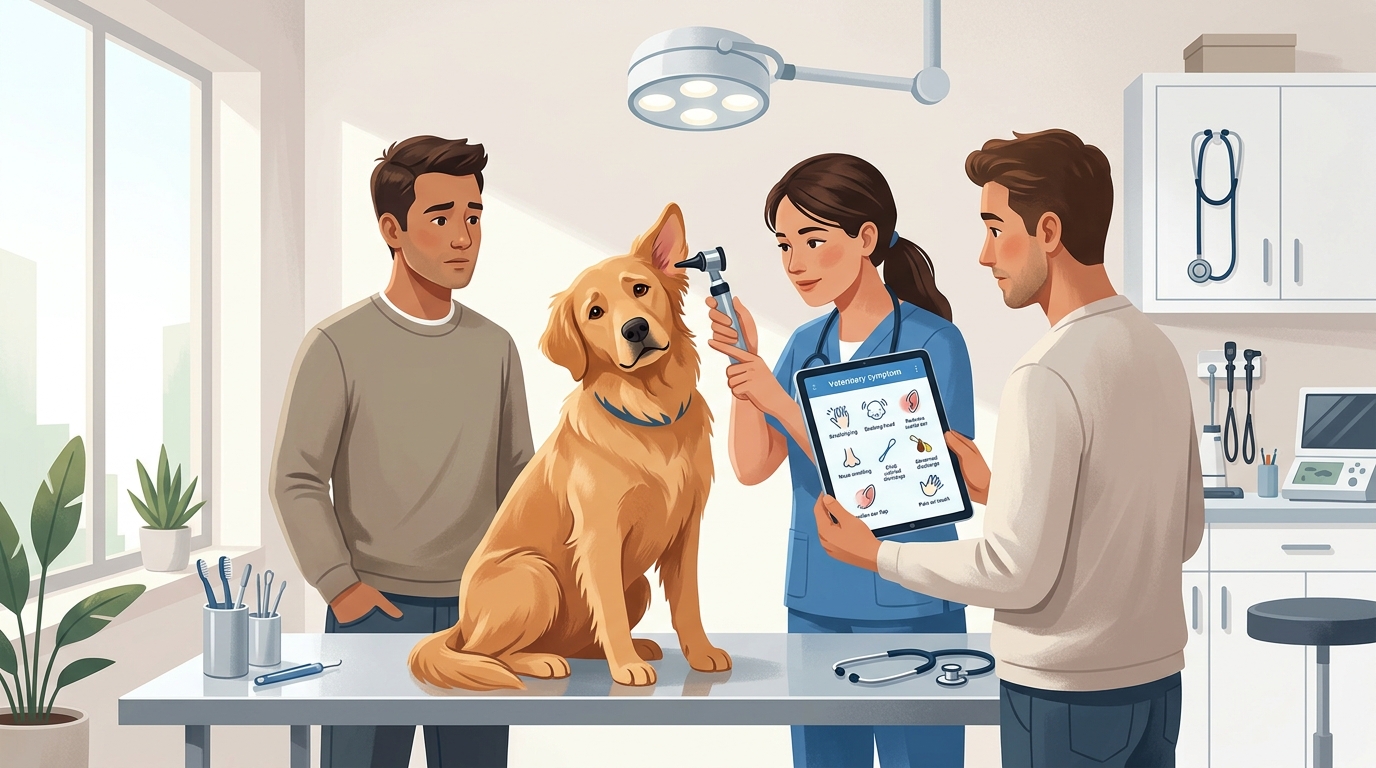
🐾 If your dog is showing any of these symptoms, it is important to contact your veterinarian as
soon as possible.
Types of Ear Problems in Dogs
Yeast Infection
Yeast infections are one of the most common ear problems in dogs. They often cause dark discharge, itching, and a strong odor.
Bacterial Ear Infection
Bacterial infections can cause redness, swelling, pain, and yellow or green discharge.
Ear Mites
Ear mites are more common in puppies but can affect dogs of any age. They often cause severe itching and dark debris in the ear.
Allergy-Related Ear Infections
Dogs with food or environmental allergies often develop repeated ear infections.
Chronic Ear Infections
Some dogs experience recurring ear infections that may lead to long-term damage if not treated properly.
Inner Ear Infection
A severe infection can spread deeper into the ear and cause loss of balance, head tilt, or difficulty walking.
How Dog Ear Infections Are Diagnosed
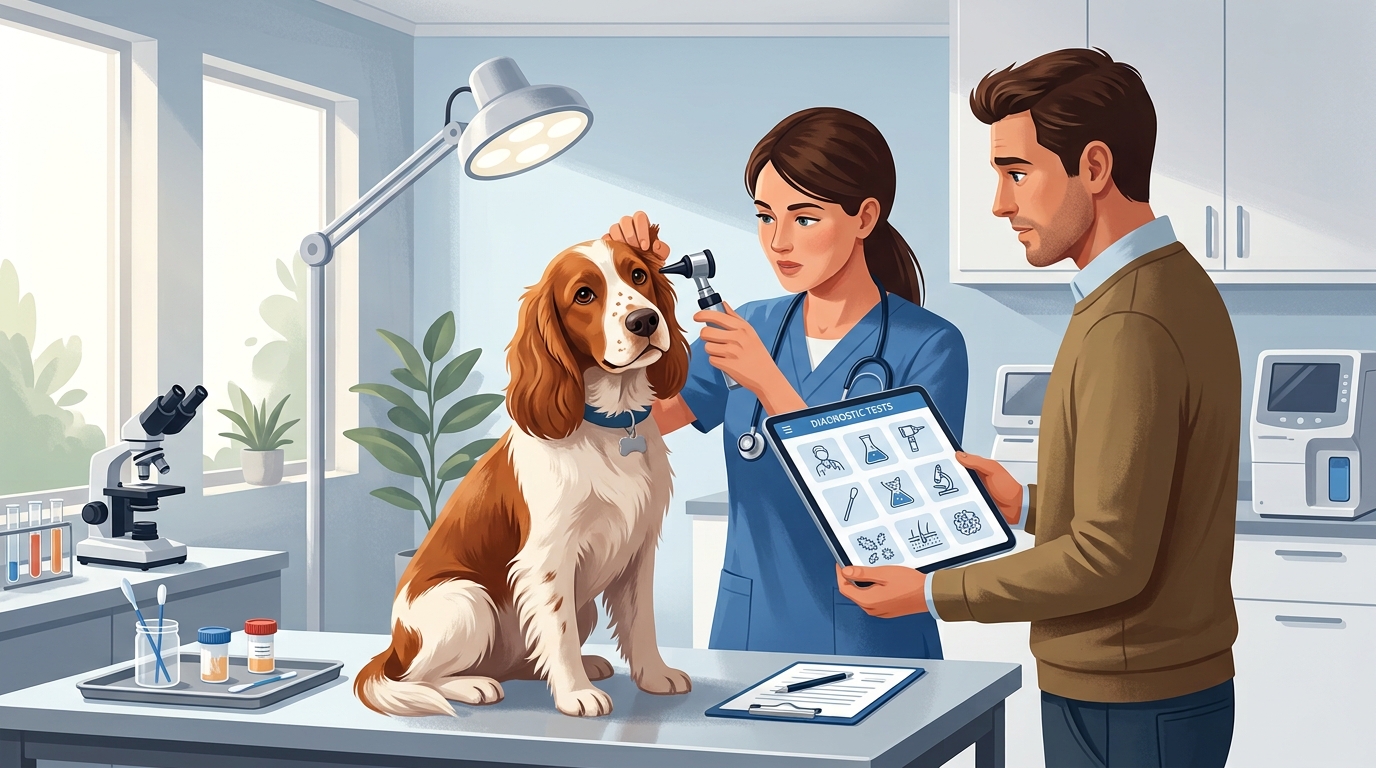
Your vet may use several tests to identify the cause of the ear infection, including:
● Physical examination
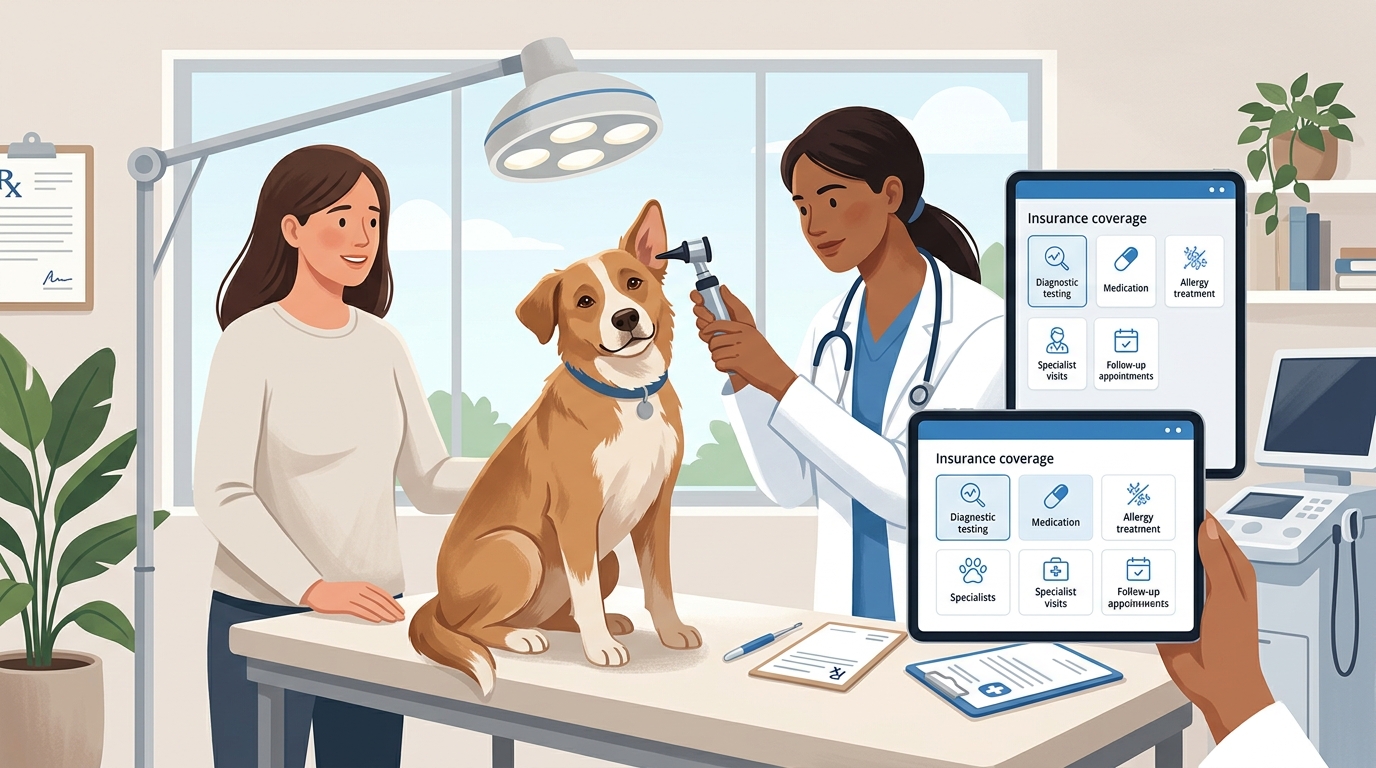
● Looking inside the ear with an otoscope
● Sample of ear discharge
● Testing for bacteria, yeast, or mites
● Allergy testing in dogs with repeated infections
These tests help determine whether your dog needs medication, ear cleaning, allergy treatment, or more advanced care.
Does Pet Insurance Cover Dog Ear Infections?
Many pet insurance plans cover ear infections if the condition is not pre-existing.
Coverage often includes:
● Diagnostic testing
● Medication
● Allergy treatment
● Specialist visits
● Follow-up appointments
Treatment Options for Dog Ear Infections
Treatment for dog ear infections depends on how severe the condition is. Mild infections can
often be treated with ear cleaning and prescription ear drops.
More serious ear infections may require oral antibiotics, anti-inflammatory medication, treatment
for allergies, or deeper cleaning by a veterinarian. Dogs with chronic or severe infections may
need long-term treatment or surgery.
Frequently Asked Questions
The real questions every pet parent asks — straight answers, no runaround.
Ear infections are often caused by bacteria, yeast, allergies, trapped moisture, or excess ear wax.
Yes. Severe or untreated ear infections can become painful and may lead to hearing loss or balance problems.
Most treatment costs range from $100 to more than $1,500 depending on the severity.
Many plans do, as long as the condition was not pre-existing.
The best time is while your dog is still young and healthy.
Protect Your Dog Before Ear Infections Become More Expensive
Ear infections are one of the most common and costly health problems in dogs. The right pet insurance plan can help you avoid large vet bills and get your dog the care it needs.